The short answer
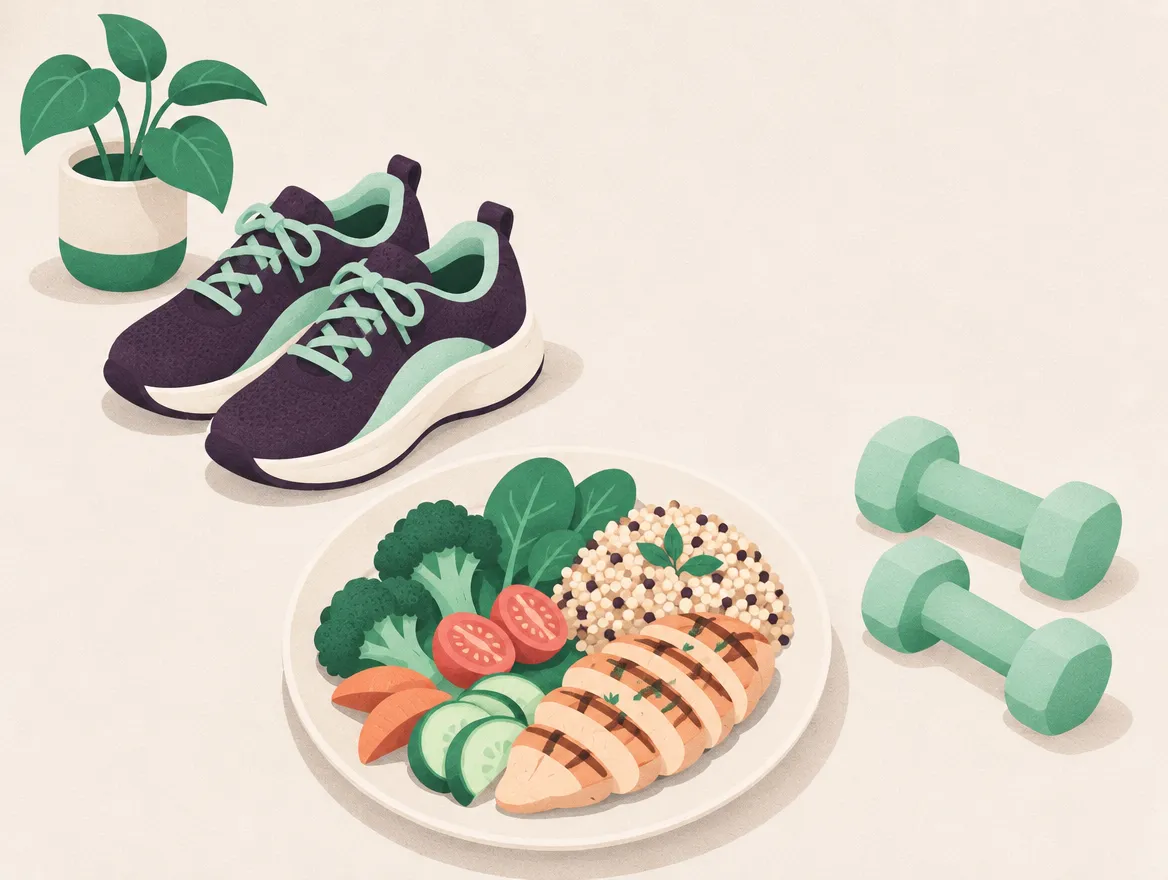
Once your weight is where you want it, the habits that helped you get there still matter: enough protein at every meal, regular meals at consistent times, mostly minimally processed foods, and strength training at least twice a week. Decisions about your medication stay with your prescriber.
On this page
This page is about food and training. It doesn't cover your medication: whether to continue, change or stop it is a decision for you and your prescriber.
Keep protein at every meal
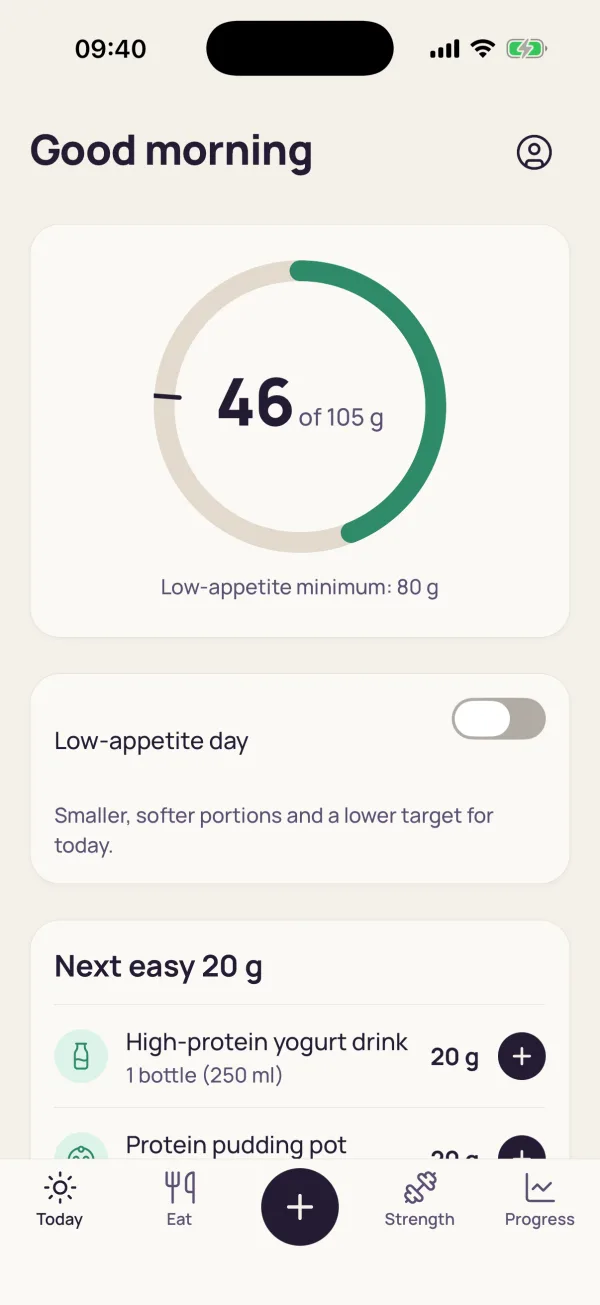
Protein stays important after weight loss. The Dietary Guidelines for Americans 2025 to 2030 suggest 1.2 to 1.6 g of protein per kilogram of body weight a day for adults in general, and protein foods at every meal. For a daily number in grams, use the protein calculator.
Simple ways to keep it there:
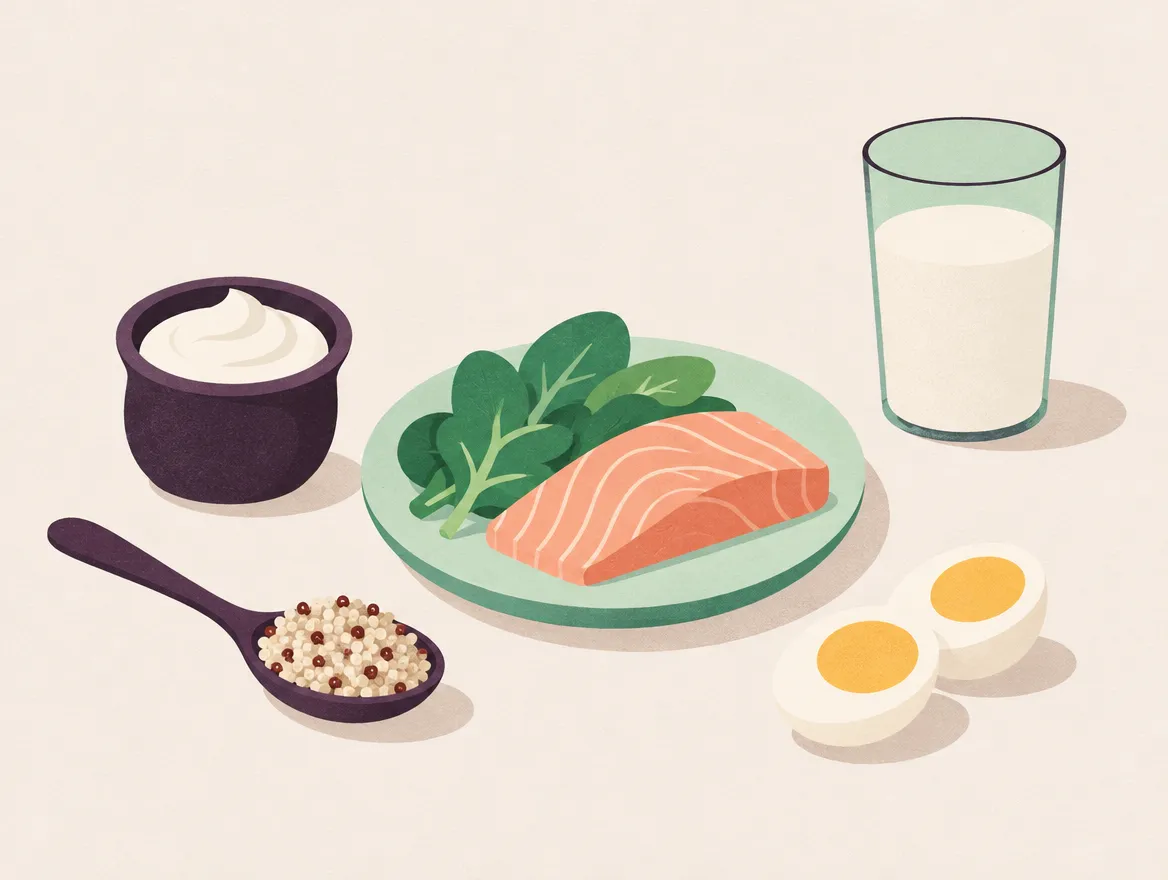
- Start each meal with the protein part: eggs, yogurt, fish, chicken, tofu, beans or lentils
- Keep quick options at home, such as Greek yogurt, cottage cheese, canned tuna and boiled eggs
- See what 20 to 30 g of protein looks like for portions
Regular meals at consistent times
A 2025 joint advisory from four US nutrition and obesity medicine societies lists regular meals at consistent times among the eating habits to encourage, and long periods without meals and large meals among those to avoid. It also suggests keeping emotional, mindless or nighttime eating to a minimum.
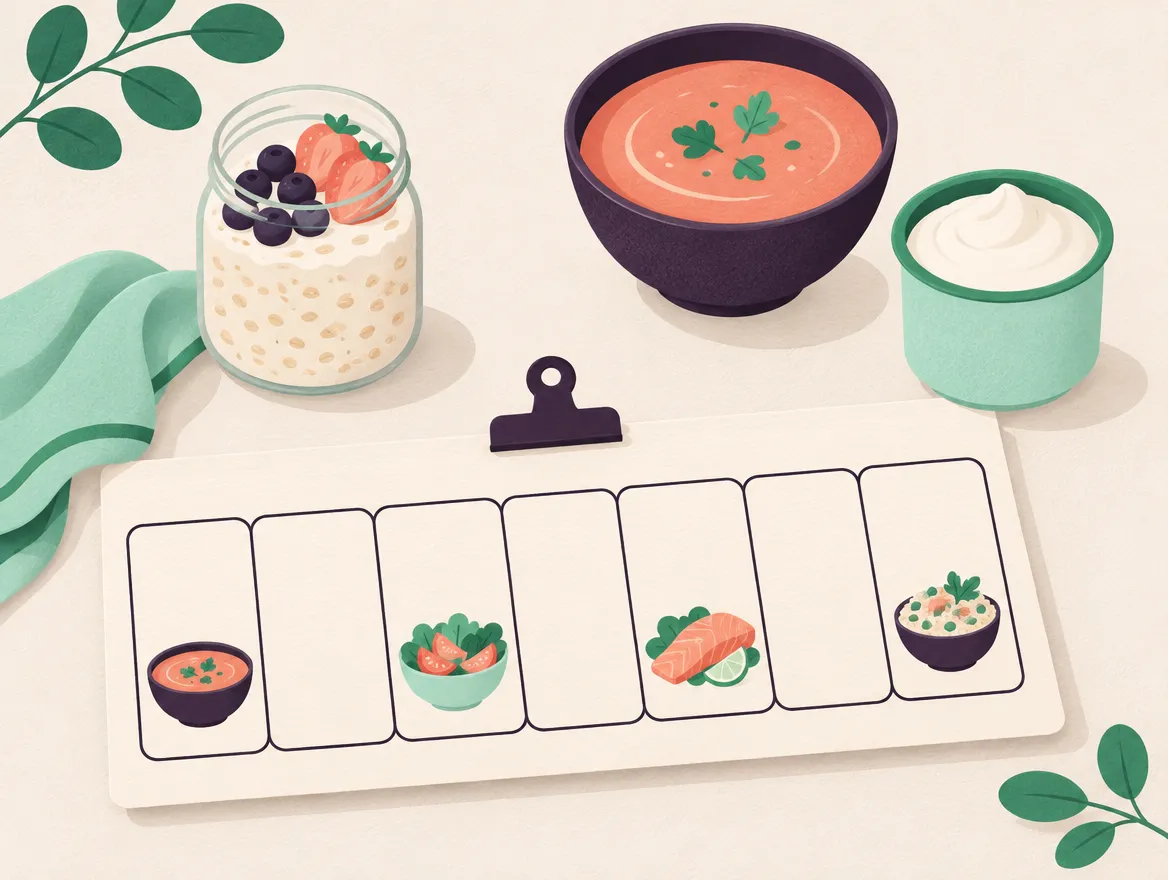
A steady rhythm of three meals, plus a snack if you want one, is easier to keep up than eating whenever you remember. Our GLP-1 meal plan shows four sample days you can adapt.
Mostly minimally processed foods
The advisory recommends a variety of minimally processed foods: vegetables, fruit, whole grains, beans and lentils, lean protein, dairy, nuts and seeds, and plant oils such as olive or canola. It suggests limiting refined grains and added sugars, sugar-sweetened drinks, red and processed meats, most fast food, and sweets and savory snacks.
The dietary guidelines add a few practical goals for everyone:
- Fiber-rich whole grains, about 2 to 4 servings a day
- Water and unsweetened drinks instead of sugary ones
- Less alcohol, for better overall health
Keep strength training going
The World Health Organization recommends muscle-strengthening activity for all major muscle groups on at least 2 days a week for all adults, plus 150 to 300 minutes of moderate aerobic activity such as brisk walking. For people over 65, it adds balance and strength activity on 3 or more days a week.
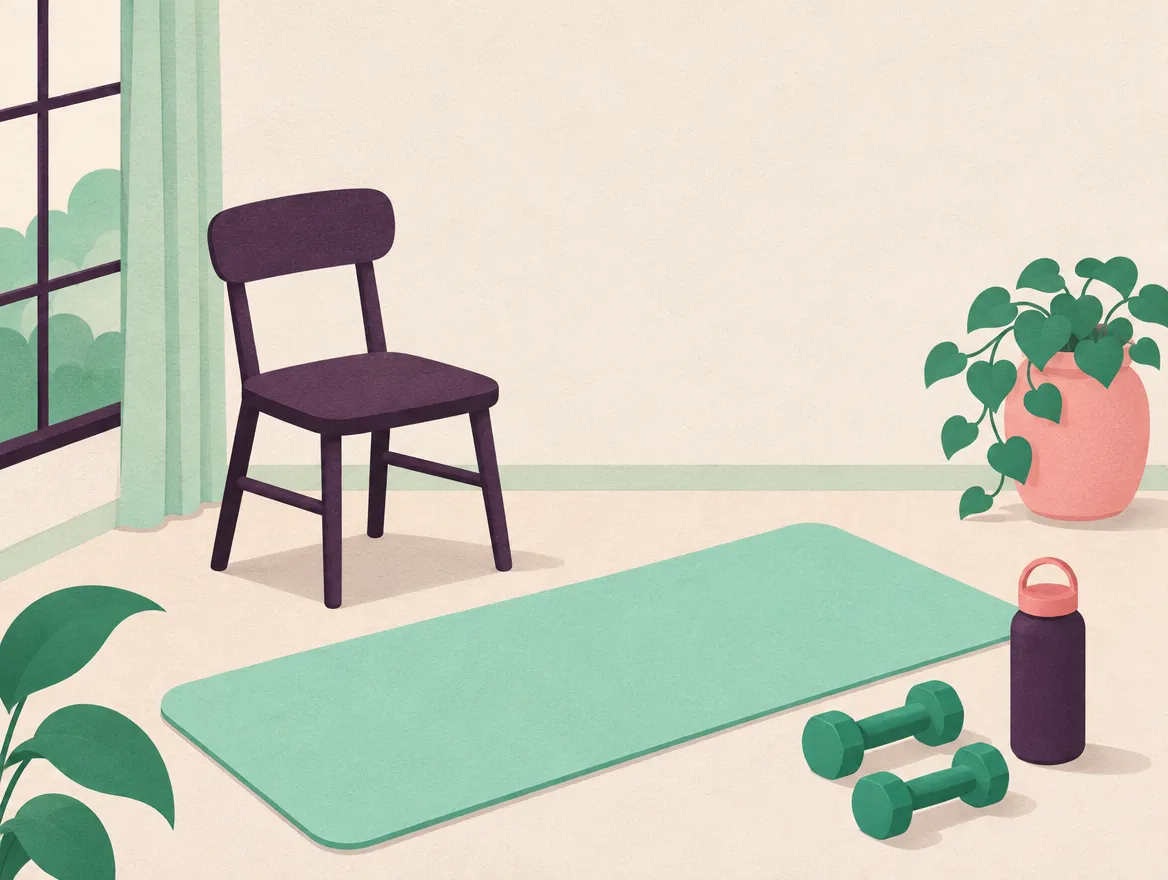
If you started strength training during weight loss, keep the routine and keep making it a little harder. If you haven't started yet, the 20-minute beginner routine works at home with a chair and a wall.
Check in on how you're eating
The advisory recommends regular reassessment of what people eat and drink during treatment. You can do a simple version yourself: once a week, look back at whether most meals had protein, whether you trained, and how your energy has been.
If eating feels out of control, or you notice worries about food or weight, talk to your doctor. If you have kidney disease or your doctor has limited your protein, follow their advice instead.
Questions
Should I change my medication once I reach my goal?
That's a decision for you and your prescriber. This page is about food and training only, whatever you decide about your medication.
How much protein do I need for maintenance?
The US dietary guidelines for 2025 to 2030 suggest 1.2 to 1.6 g of protein per kilogram of body weight a day for adults in general. Our protein calculator gives a daily number in grams.
Do I still need strength training?
The World Health Organization recommends muscle-strengthening activity for all major muscle groups on at least 2 days a week for all adults, alongside 150 to 300 minutes of moderate activity.
What if my appetite grows?
Regular meals built around protein, vegetables, fruit, whole grains and beans are filling and easy to plan. If eating feels out of control or worries you, talk to your doctor.
Why you can trust this guide
- Every fact links to a source we opened and read, listed below.
- Updated 20 November 2026. When guidance changes, we check the guides that rely on it.
- Food and training only. Your dose and medication are for your prescriber.
Sources
- Dietary Guidelines for Americans, 2025 to 2030, U.S. Department of Agriculture and Department of Health and Human Services, 2026. Checked 18 November 2026.
- Nutritional priorities to support GLP-1 therapy for obesity: a joint advisory (Mozaffarian et al.), American Journal of Clinical Nutrition, 2025. Checked 18 November 2026.
- World Health Organization 2020 guidelines on physical activity and sedentary behaviour (Bull et al.), British Journal of Sports Medicine, 2020. Checked 18 November 2026.