The short answer
Most food and training questions are the same whichever GLP-1 medication you take. These guides cover protein, small meals for a low appetite, foods for slower days and simple strength training you can start at home.
On this page
18 guides
 All GLP-1s
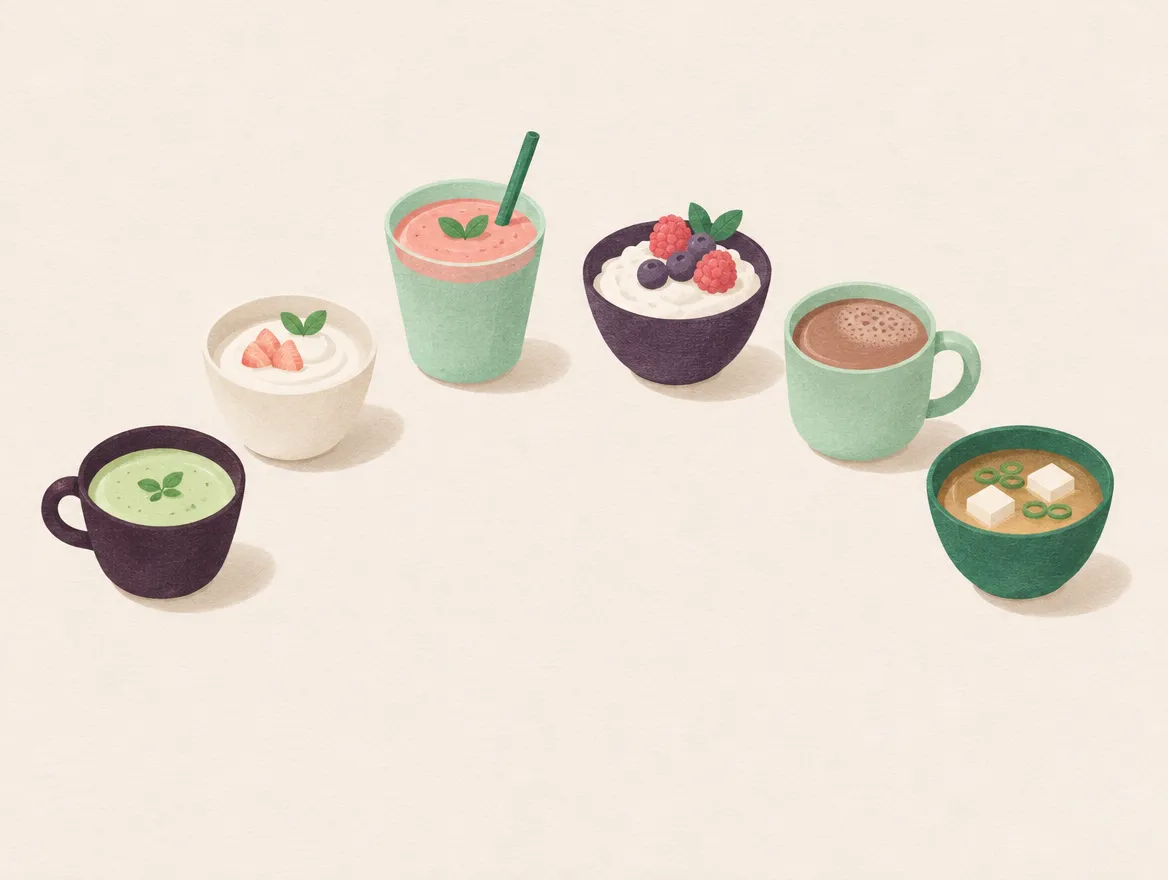
A low-appetite day, planned: six small portions at 60, 75 or 90 g of protein
On a day you can hardly eat, aim for a lower minimum instead of your full target: our calculator suggests three quarters of it. Spread it over six small, soft portions every 2 to 3 hours. The plans below reach about 60, 75 or 90 g of protein with yogurt, soups, shakes and eggs.
Read the guide
 All GLP-1s
CagriSema (cagrilintide and semaglutide): what it is and where approval stands
CagriSema is an investigational weekly injection from Novo Nordisk that combines cagrilintide, an amylin analogue, with semaglutide, a GLP-1 medicine. Novo applied for FDA approval in December 2025 and expects a US decision in the last quarter of 2026. Until it is approved, it is only given in clinical trials.
Read the guide
 All GLP-1s
Compounded semaglutide and tirzepatide: what the FDA says, and eating on them
Compounded semaglutide and tirzepatide are made by a pharmacy, not approved by the FDA, so the FDA does not review them for safety, effectiveness or quality. The FDA says the shortages that allowed wide compounding are over. If you use one, follow your prescriber and the pharmacy label exactly.
Read the guide
 All GLP-1s
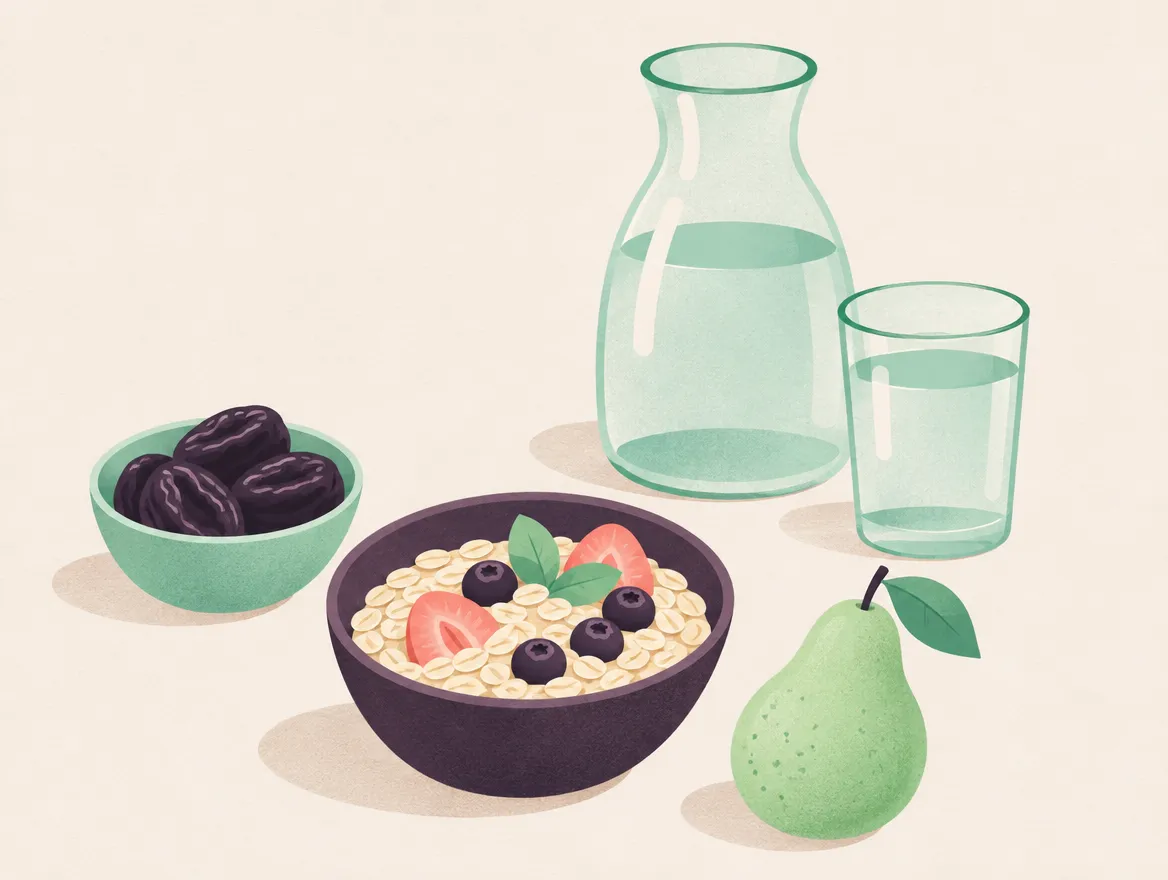
Constipation on Ozempic®, Mounjaro® or Zepbound®: fiber and fluids for slower days (semaglutide, tirzepatide)
Nutrition experts encourage enough fluids and fiber from foods for people on a GLP-1, added gradually: fruit including prunes and other dried fruit, vegetables, whole grains, beans and lentils. Large or fatty meals can slow digestion further. If you're constipated for more than a few days, talk to your doctor.
Read the guide
 All GLP-1s
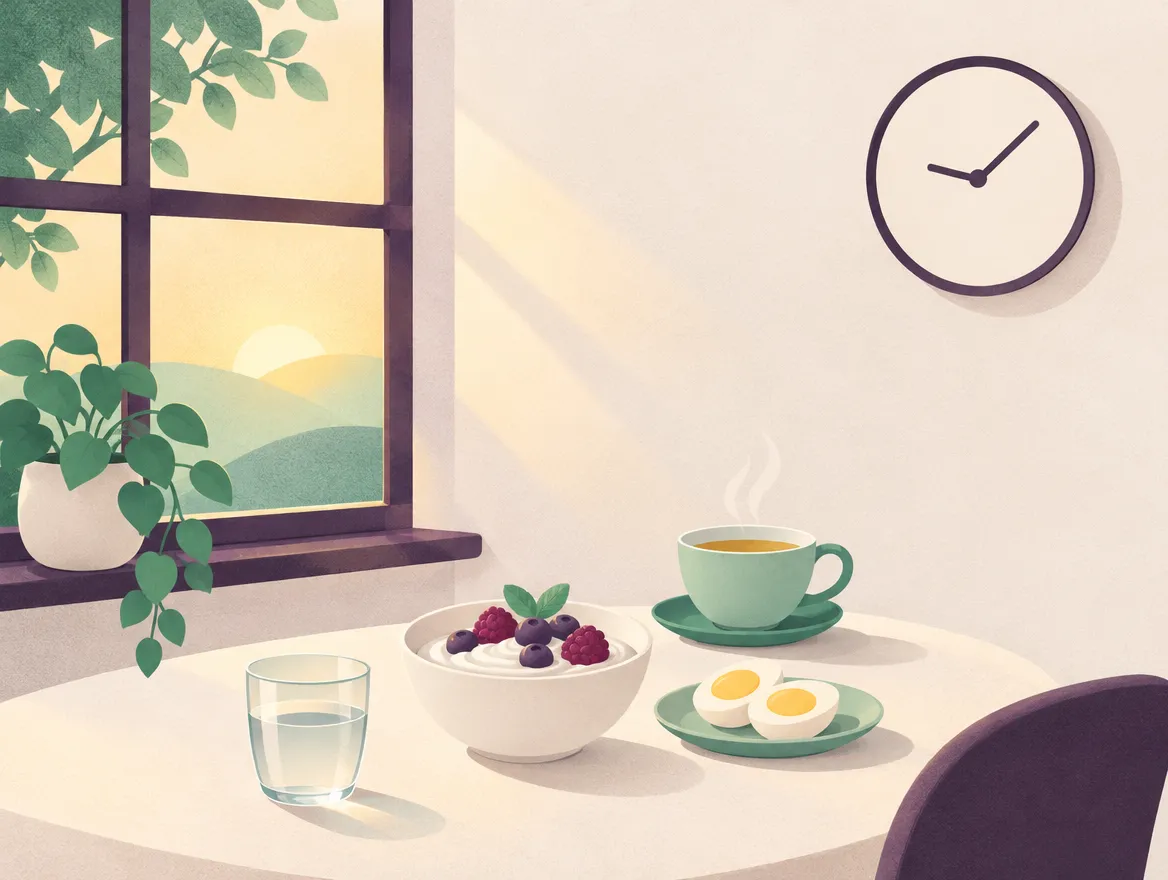
Daily GLP-1 pills: planning meals around a morning pill (Rybelsus®, Wegovy® pill, Foundayo™)
The semaglutide pills (Rybelsus and the Wegovy pill) are taken in the morning on an empty stomach with a little water, and their labels say to wait at least 30 minutes before eating or drinking. Foundayo can be taken with or without food. After that, small protein-first meals work for all three.
Read the guide
 All GLP-1s
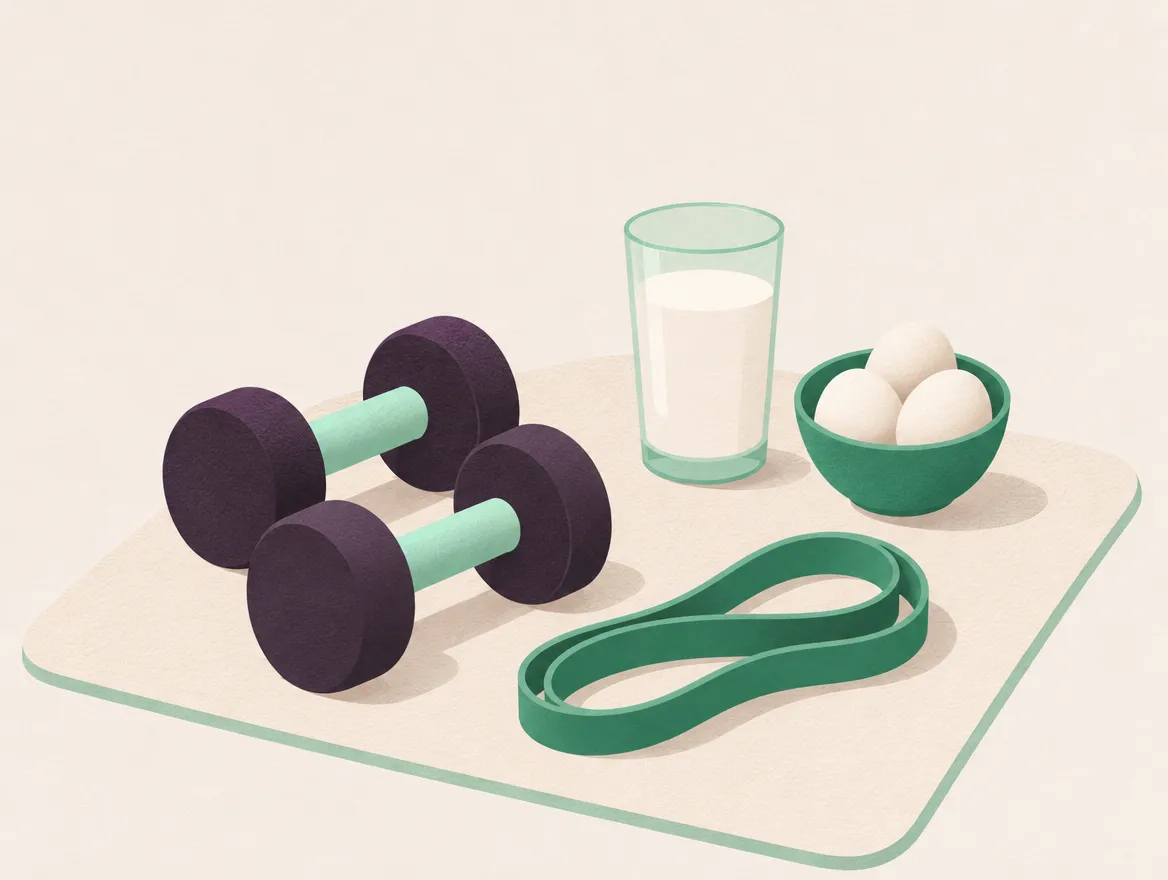
Does Ozempic® (semaglutide) cause muscle loss? What studies show, and what helps
In large trials of semaglutide (Ozempic®, Wegovy®) and tirzepatide (Mounjaro®, Zepbound®), about a quarter to two-fifths of the weight lost was lean mass, which includes muscle, water and organs. Experts recommend regular strength training plus enough protein, and say protein alone is likely not enough.
Read the guide
 All GLP-1s
Eating for maintenance after weight loss: the habits worth keeping
Once your weight is where you want it, the habits that helped you get there still matter: enough protein at every meal, regular meals at consistent times, mostly minimally processed foods, and strength training at least twice a week. Decisions about your medication stay with your prescriber.
Read the guide
 All GLP-1s
Eating on a GLP-1: the full guide to food, protein and staying strong
On a GLP-1 medication, eat small meals every 3 to 4 hours, start each with protein, and aim for a daily target that a 2025 advisory puts at 1.2 to 1.6 g per kilogram during weight loss. Build meals from minimally processed foods, drink fluids through the day, and add strength training.
Read the guide
 All GLP-1s
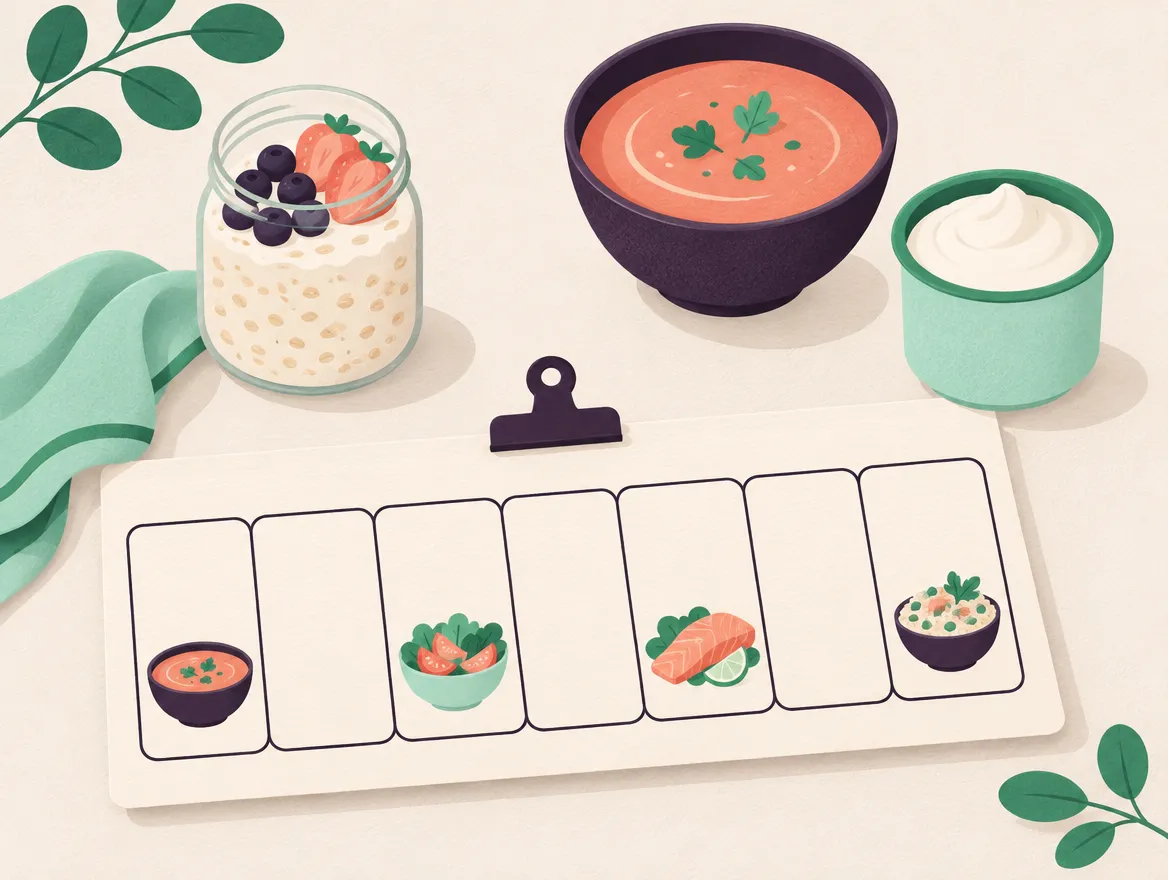
GLP-1 meal plan: four sample days, from a regular day to a low-appetite day
A GLP-1 meal plan works best as small meals every 3 to 4 hours, each built around a protein food. Below are three sample days of about 100 g of protein, from four meals to six small ones, and a low-appetite day with a lower minimum, made from quick recipes that take five minutes or less.
Read the guide
 All GLP-1s
GLP-1 medications list: every approved drug, and the ones in trials
Six GLP-1 medicines are sold in the US today: semaglutide, tirzepatide, liraglutide, dulaglutide, orforglipron and generic exenatide, plus two pens that combine a GLP-1 with insulin. Some are approved for weight management, others for type 2 diabetes only. Retatrutide, CagriSema and several others are still in trials.
Read the guide
 All GLP-1s
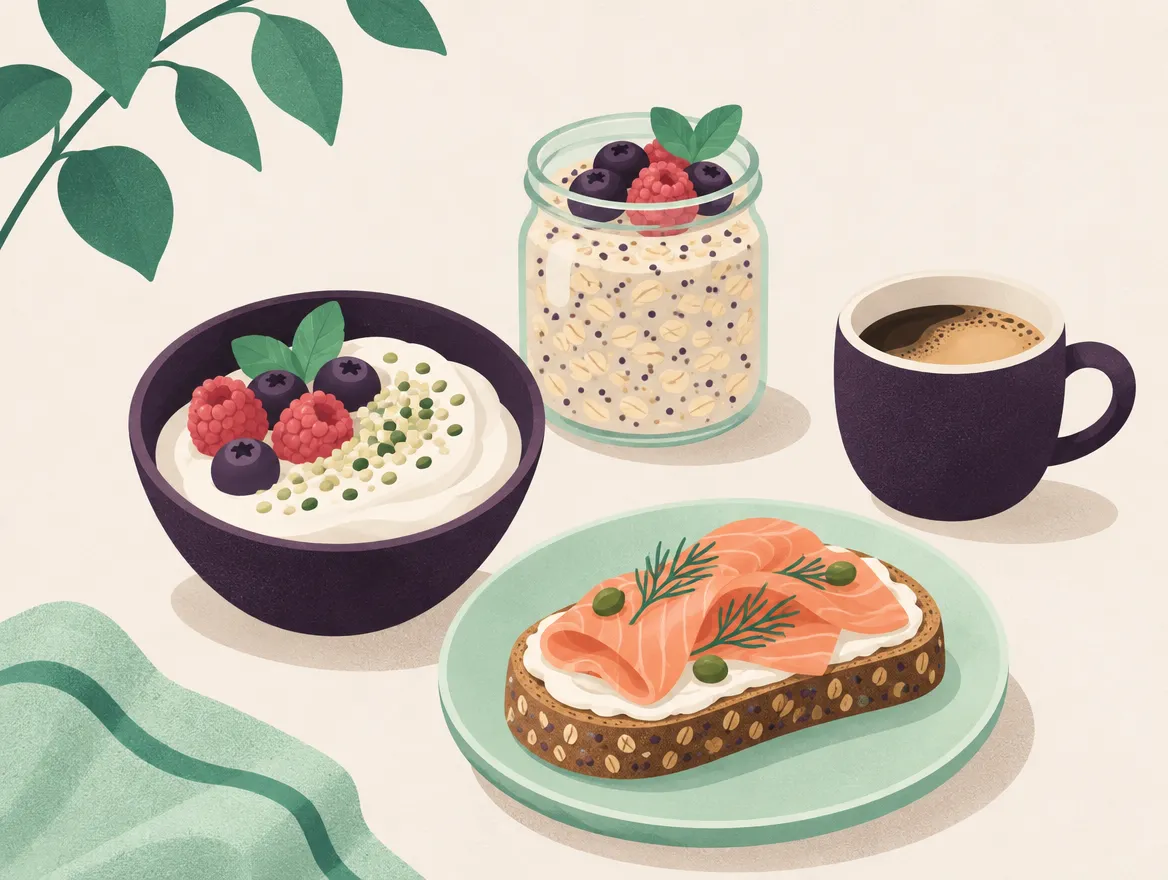
High-protein breakfasts on a GLP-1: 15 small ideas, five minutes or less
A good breakfast on a GLP-1 is small and built around protein: Greek yogurt, cottage cheese, eggs, a protein smoothie or overnight oats made with milk. Nutrition experts suggest a small breakfast, then small meals every 3 to 4 hours. The 15 ideas below carry 16 to 32 g of protein each.
Read the guide
 All GLP-1s
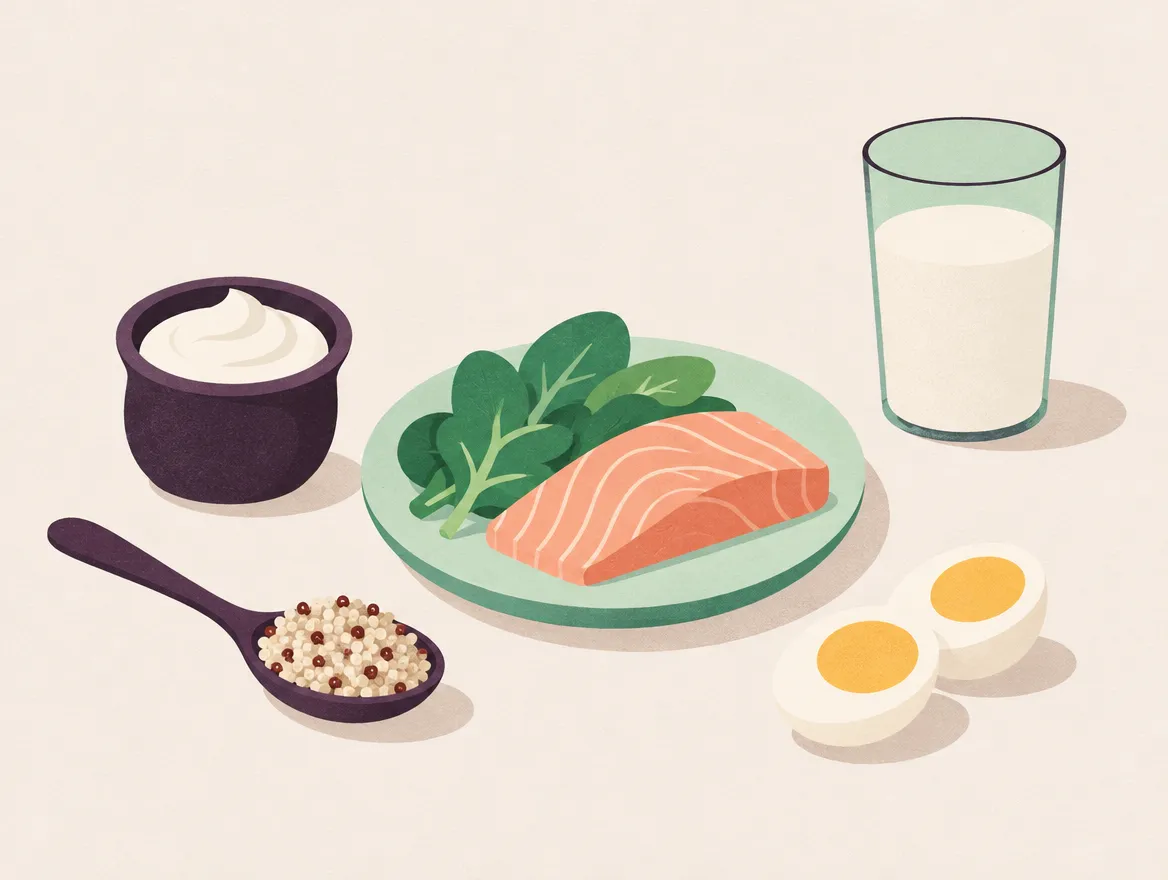
How much protein on a GLP-1 medication
A range of 1.2 to 1.6 g of protein per kilogram of body weight a day has been proposed during weight loss, and a 2025 advisory also suggests a simple target of 80 to 120 g a day. Spreading it over small meals, with protein first, makes it easier on a low appetite.
Read the guide
 All GLP-1s
New GLP-1 drugs in trials: where each one stands
Several new medicines that act on the GLP-1 receptor are in late-stage trials or waiting for a decision, including retatrutide, CagriSema, survodutide, zenagamtide (amycretin) and MariTide. None of them is approved in the US yet. Mazdutide and ecnoglutide are approved in China only.
Read the guide
 All GLP-1s
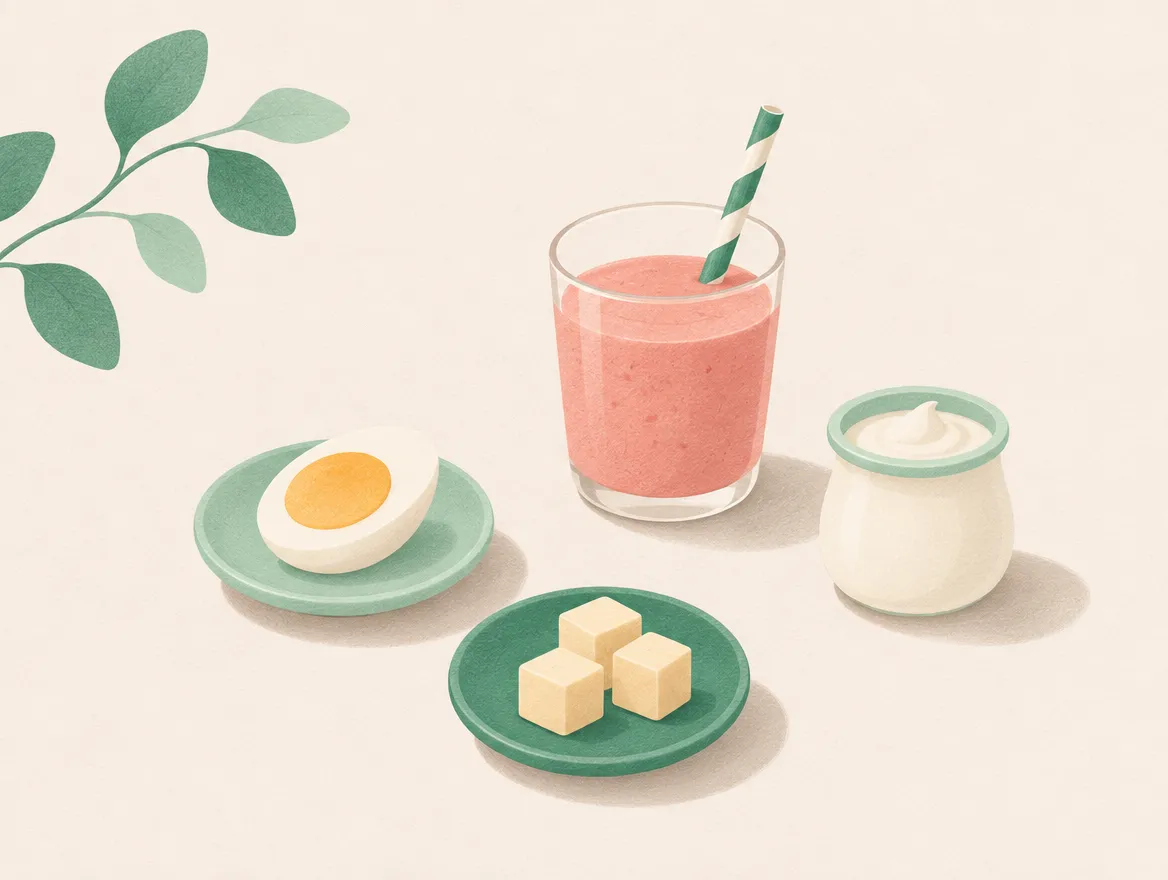
Not hungry on a GLP-1: how to still eat enough protein
When a GLP-1 medication takes your appetite away, eat small amounts every 3 to 4 hours instead of waiting to feel hungry, and start each one with the protein. Drinks, smoothies, yogurt, cottage cheese and soups are often easier than heavy foods, and half a portion still counts.
Read the guide
 All GLP-1s
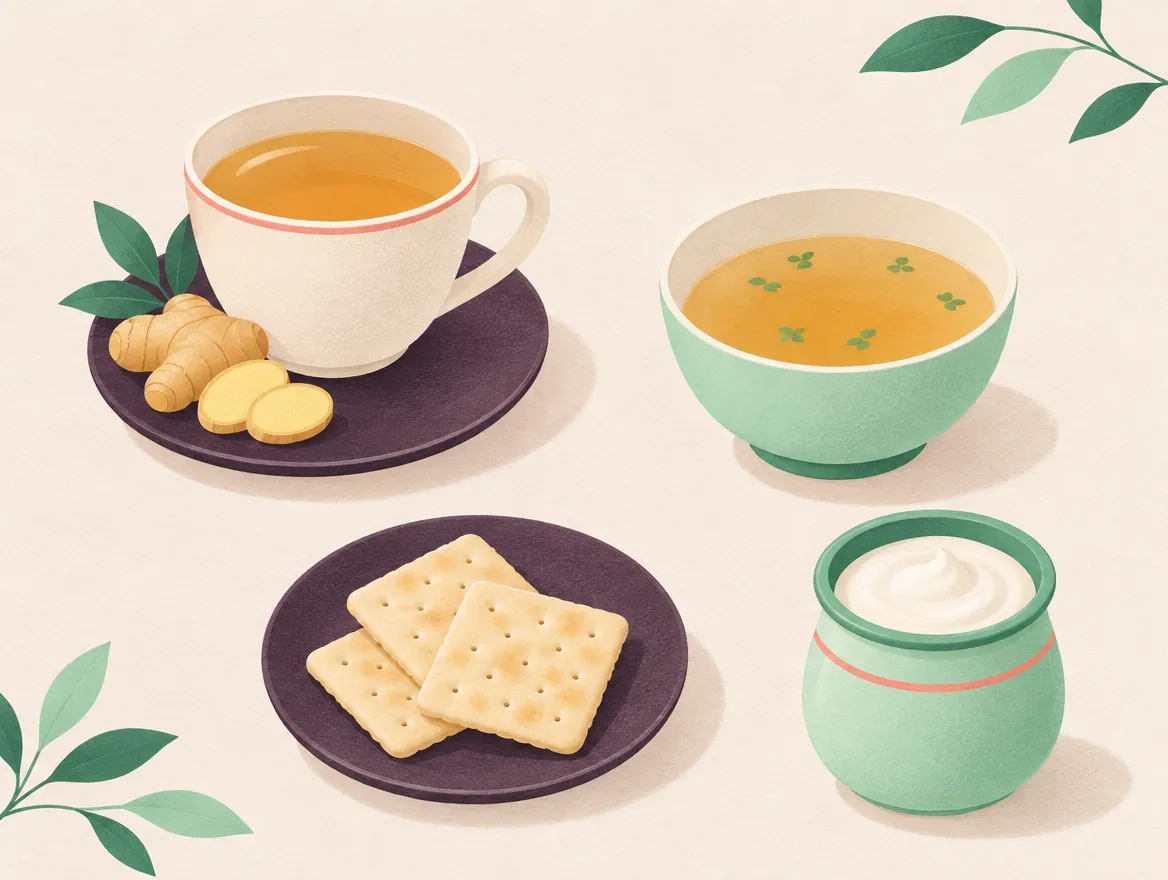
Ozempic® nausea and food: what to eat on queasy days (semaglutide, tirzepatide)
On queasy days on Ozempic®, Wegovy®, Mounjaro® or Zepbound®, small amounts of bland, cold or soft food are often easier: crackers, toast, rice, soups, yogurt, cottage cheese and smoothies. Experts suggest small meals every 3 to 4 hours with fluids, and avoiding fatty food and large meals.
Read the guide
 All GLP-1s
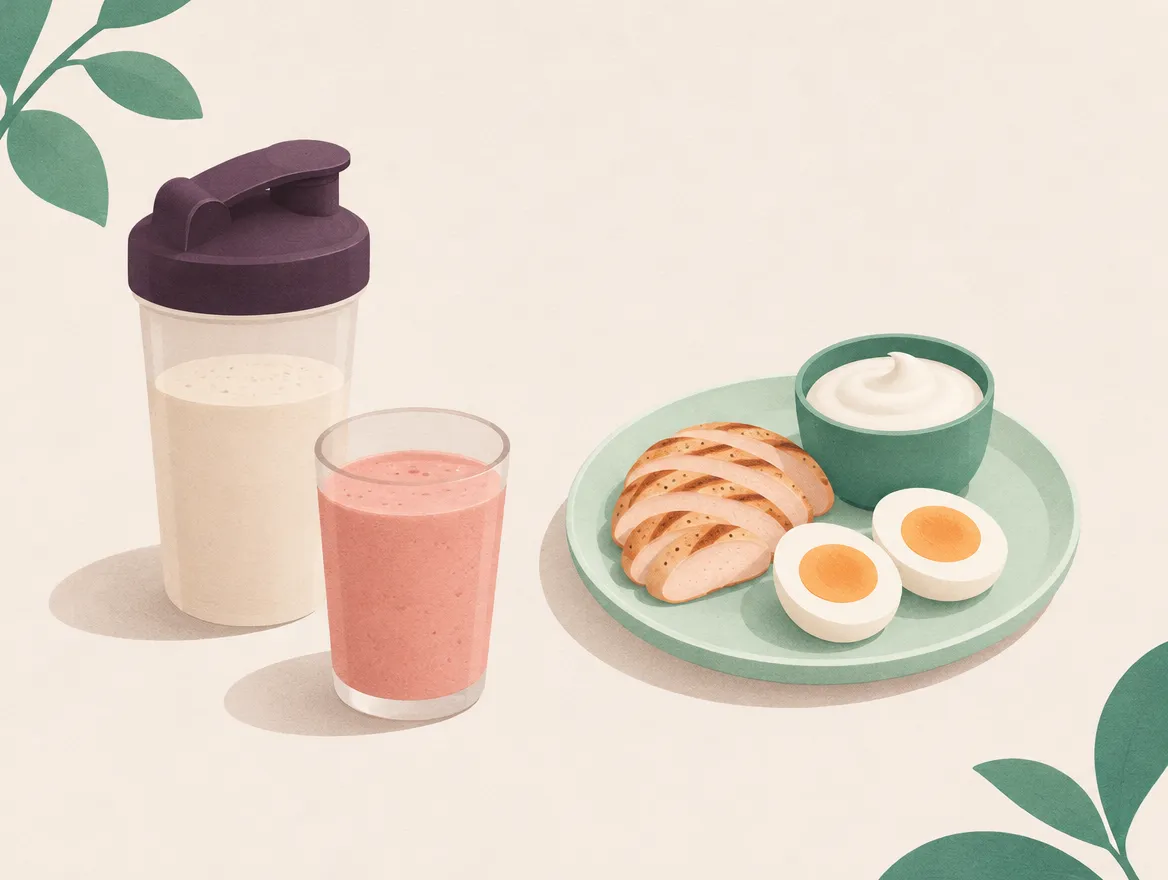
Protein shakes on a GLP-1: when a shake helps, and what to look for
A protein shake is a useful backup on a GLP-1, not a replacement for food. Nutrition experts say some people meet their protein target with the help of shakes, and that drinks are often easier than heavy food when appetite is low. Look for 20 g of protein or more per serving and little added sugar.
Read the guide
 All GLP-1s
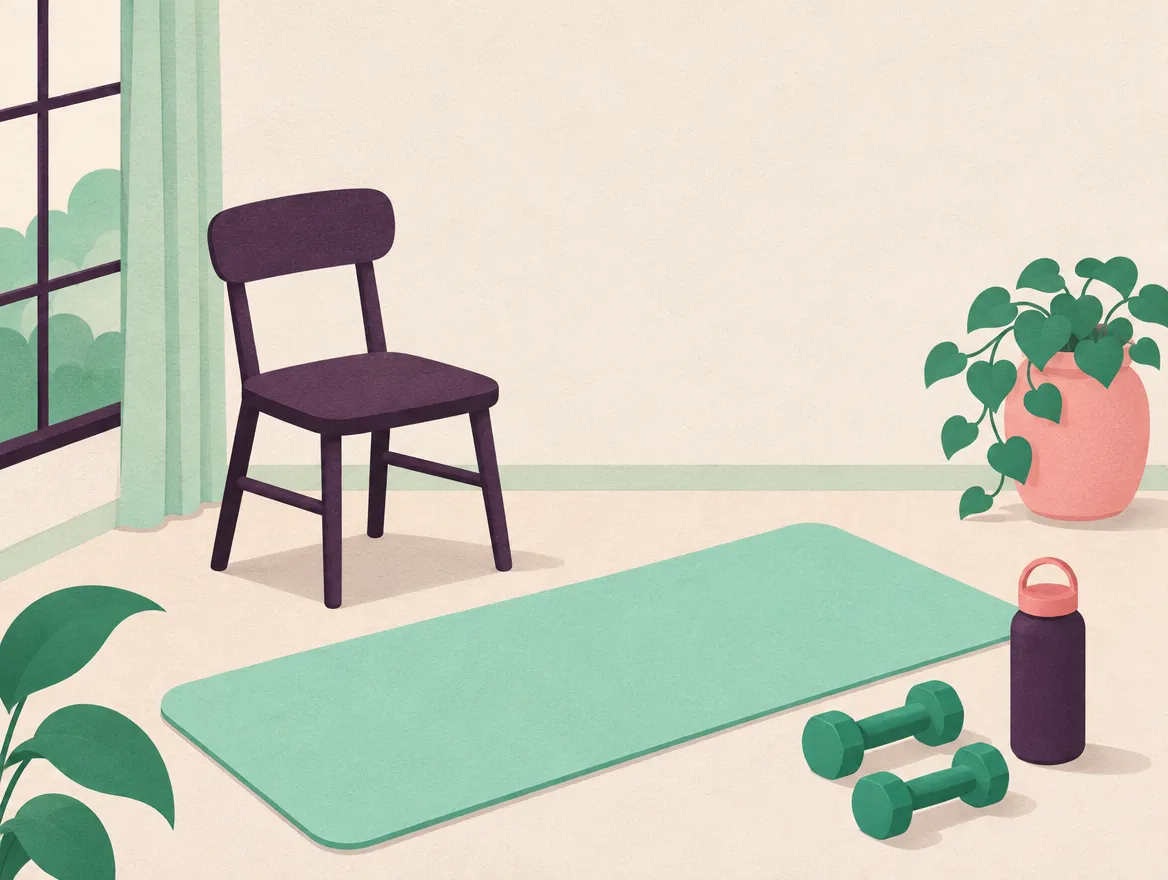
Strength training on a GLP-1: a 20-minute beginner routine you can do at home
Experts recommend strength training at least 2 to 3 times a week alongside a GLP-1 medication, because it is well established to help keep lean mass during weight loss and protein alone is likely not enough. Start with six simple exercises at home, about 20 minutes, and make them a little harder as they get easy.
Read the guide
 All GLP-1s
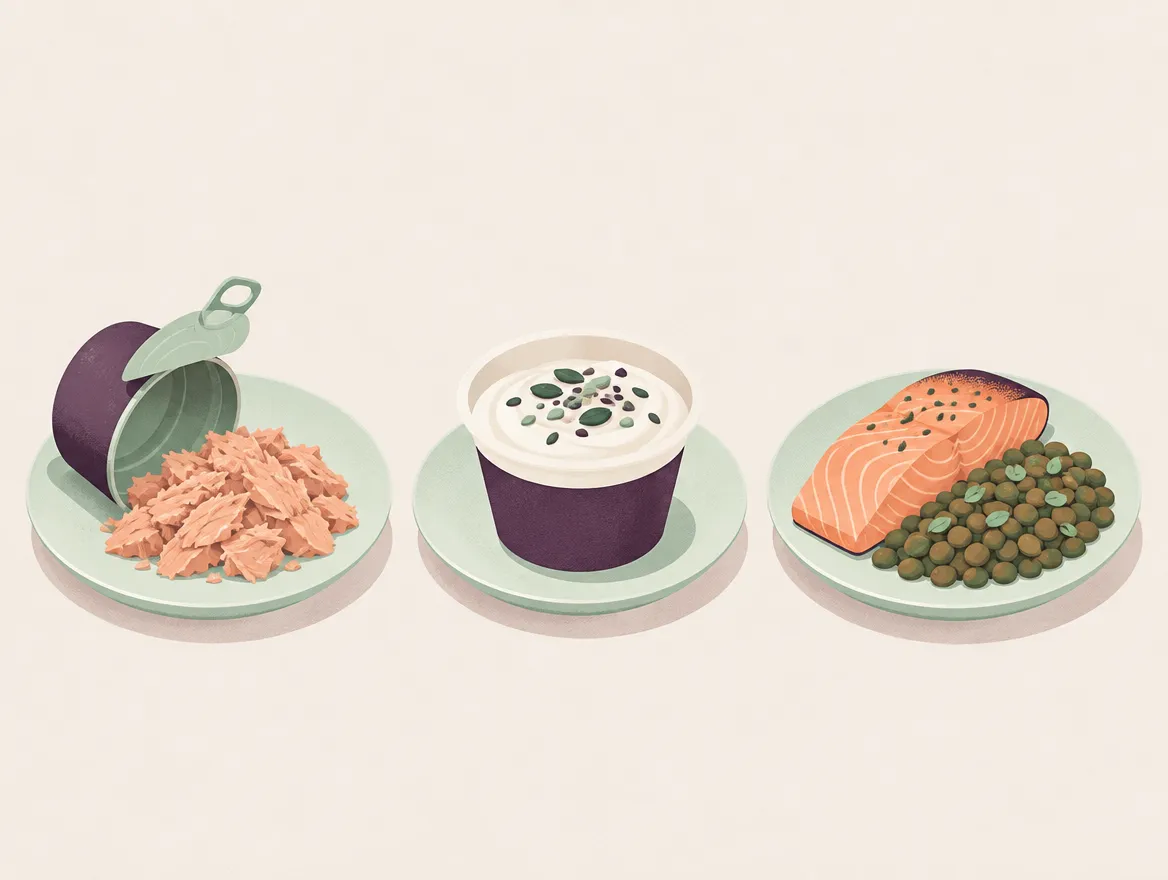
What 20 to 30 g of protein looks like, in everyday portions
About 20 g of protein is a 6 oz (170 g) pot of Greek yogurt with hemp seeds, or one small can of tuna. About 30 g is 3 oz (85 g) of salmon with half a cup of lentils. On a small appetite, two half portions a couple of hours apart reach 20 g.
Read the guide
What these guides cover
Food, protein and strength training: the parts of daily life you plan yourself. Each guide answers one question, with portions you can picture and sources you can check.
New here? Start with eating on a GLP-1: the full guide, which links every guide below.
If you'd like guides for your medication by name, each medicine has its own page: semaglutide, tirzepatide, liraglutide, dulaglutide and orforglipron, plus the daily GLP-1 pills. Not sure which medicines count as GLP-1s? The GLP-1 medications list covers every one, approved and in trials.
Medicines that are not approved yet
Some people ask about medicines still in trials. These pages say where each one stands, with no doses: retatrutide, CagriSema, and the new GLP-1 drugs in trials, such as survodutide and MariTide.
On a compounded semaglutide or tirzepatide? Read what the FDA says about compounded GLP-1 medicines first.
What they don't cover
Your dose, your schedule, side effects and whether to stay on the medication are questions for your prescriber. These guides never give medication advice.
Why you can trust this guide
- Every fact links to a source we opened and read.
- Updated 18 November 2026. When guidance changes, we check the guides that rely on it.
- Food and training only. Your dose and medication are for your prescriber.