How to do it
- Place your hands on the edge of the table or sofa, a little wider than your shoulders.
- Walk your feet back until your body forms a straight line from head to heels, arms straight.
- Bend your elbows and lower your chest slowly towards the edge, elbows pointing back at an angle.
- Stop when your chest is close to the edge, or as low as you can control.
- Push the surface away to straighten your arms, keeping your body in one line.
Breathing: Breathe in as you lower. Breathe out as you push back up.
Common mistakes
Using a surface that slides or tips
Test it first. Put a table against a wall, or use a kitchen counter.
Hips sagging towards the floor
Squeeze your glutes and brace your stomach, as if holding a plank.
Dropping down fast and bouncing up
Take about two counts to lower and one count to push up.
Head poking forward
Keep your neck in line with your back and let your chest reach the edge first.
Make it easier or harder
Use a higher surface, such as a kitchen counter, or go back to wall push-ups until the movement feels steady.
Wall push-upUse a lower surface, like a low step or bench, slow the lowering to three counts, or add shoulder taps from your knees on the same day.
Shoulder taps from kneesWhere it fits in a session
When a session feels easy two times in a row, add 1 or 2 reps to each set. See the 4-week home plan.
Why it helps on a GLP-1
When you lose weight, some of what you lose is lean mass, which includes muscle. Pushing moves like this one keep your chest, shoulders and arms working, and the height of the surface gives you an easy way to make it harder in small steps.
It is part of our 4-week home plan. Read more in strength training on a GLP-1 and keeping muscle on a GLP-1.
Questions
What does an incline push-up work?
Your chest and the backs of your upper arms (triceps), with help from your shoulders, core and glutes holding your body straight.
How many reps should I do?
In our routines it is 3 sets of 8, with about 45 seconds of rest between sets. Add 1 or 2 reps after two easy sessions in a row.
How high should the surface be?
The higher the surface, the easier it is. Start at a height where you can do every rep with your body straight, then go lower over time.
What if my wrists hurt?
Try gripping the rounded edge of the surface so your wrists stay straighter. If it still hurts, stop and ask your doctor or a physiotherapist.
Stop if you feel pain. This is general fitness guidance, not medical advice. If you have a heart, joint or other health condition, check with your doctor before starting.
Sources
- Strength exercises, NHS.
- Physical Activity Guidelines for Americans, 2nd edition, U.S. Department of Health and Human Services, 2018.
In the same routine
 Video
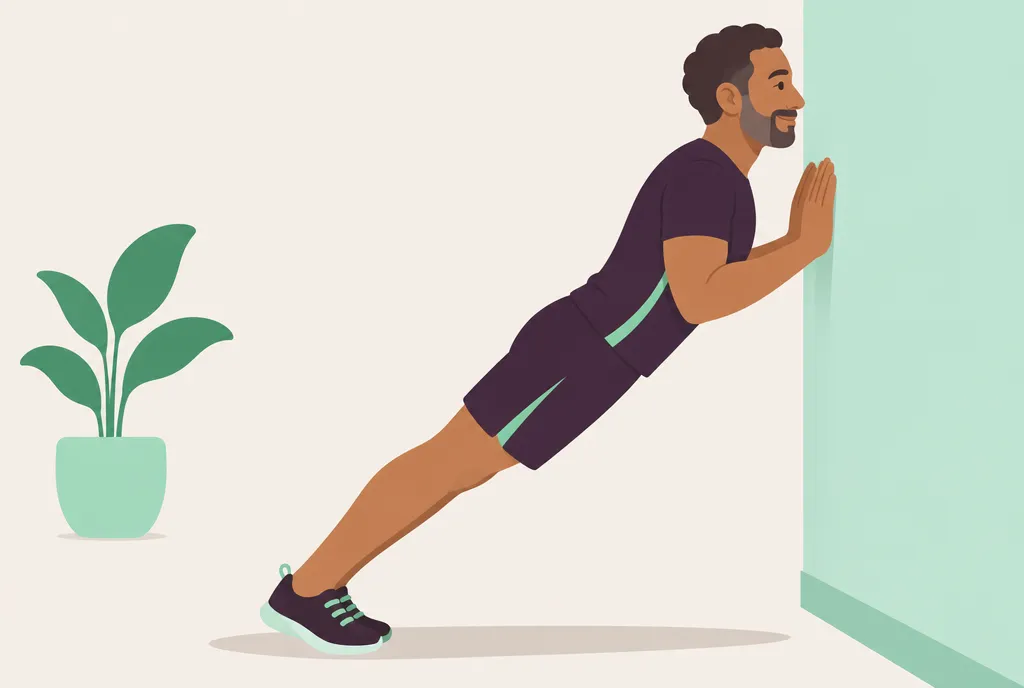
Close-grip wall push-up
Hands close together, elbows brushing your sides.
 Video
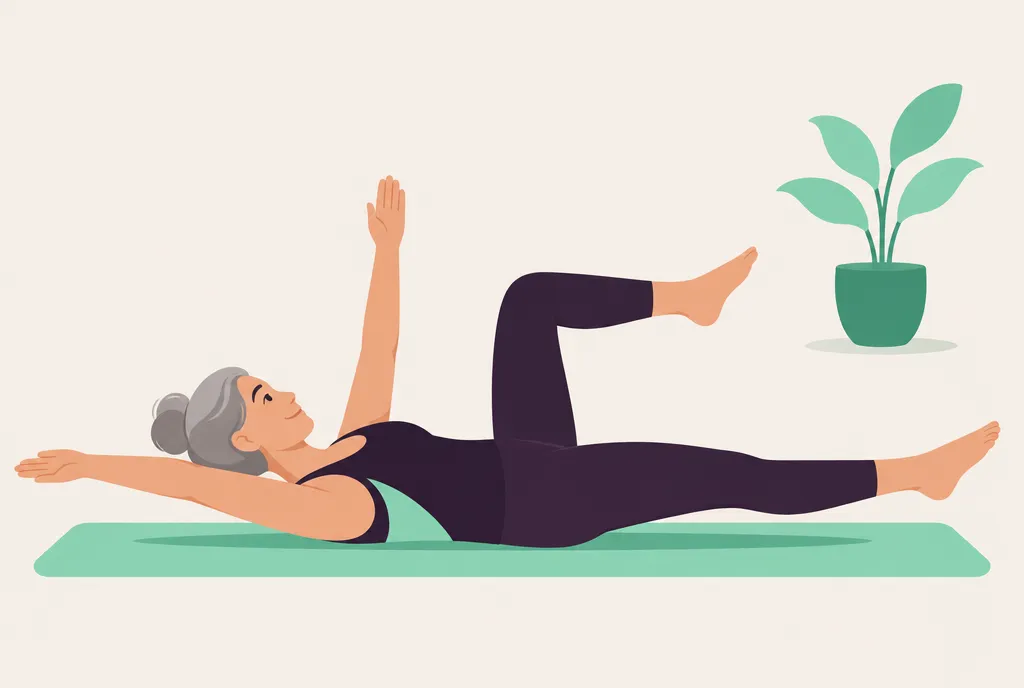
Dead bug
Lower back pressed down. Opposite arm and leg, slow.
 Video
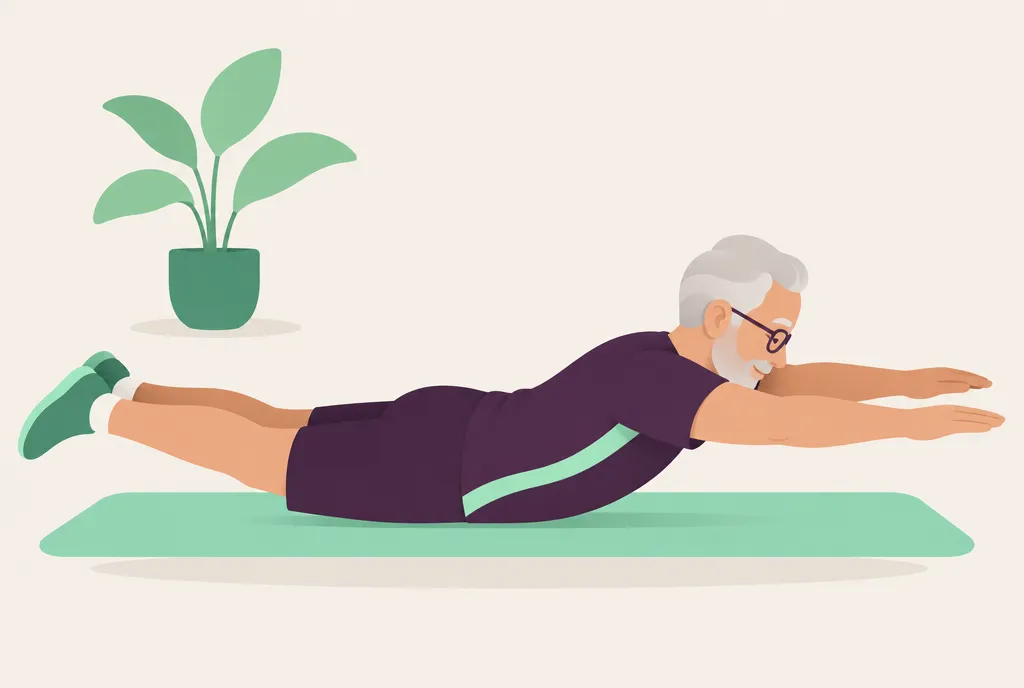
Back extension (superman)
Lift chest and arms a little, look at the floor, pause.
 Video
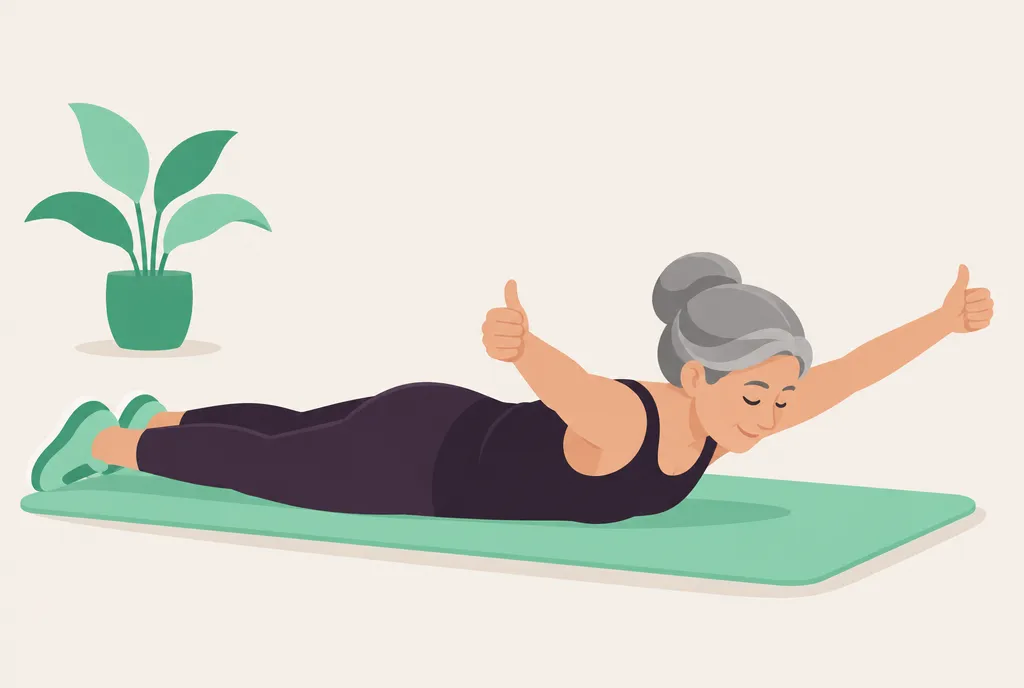
Prone Y raise
Face down, arms in a Y, lift thumbs to the ceiling.