How to do it
- Hold one dumbbell upright against your chest with both hands cupped under the top end, elbows pointing down.
- Stand with your feet a little wider than hip-width apart, toes turned out slightly.
- Push your hips back and bend your knees to sit down between your heels, keeping your chest up and the dumbbell close.
- Lower until your thighs are about level with the floor, or as low as you can with your heels down and back straight.
- Push through your whole foot to stand back up, squeezing your glutes at the top.
Breathing: Breathe in as you lower into the squat. Breathe out as you push up to standing.
Common mistakes
Heels lifting off the floor
Sit back more and keep your weight over the middle of your feet. Squat only as low as your heels stay down.
Knees falling inward on the way up
Push your knees out so they stay in line with your toes.
Leaning forward and letting the dumbbell pull away from your chest
Keep the dumbbell touching your chest and your elbows pointing down, so your chest stays up.
Rounding the lower back at the bottom
Stop a little higher, at the point where your back is still flat.
Make it easier or harder
Squat down to a chair behind you so you have a target and a safe place to stop. Or do chair squats with no dumbbell until 10 feel easy.
Chair squatUse a heavier dumbbell, or take three slow counts to lower. The dumbbell reverse lunge loads one leg at a time.
Dumbbell reverse lungeWhere it fits in a session
When a session feels easy two times in a row, add 1 or 2 reps to each set. See the 4-week home plan.
Why it helps on a GLP-1
When you lose weight, some of what you lose can be muscle, and strength training two or three times a week is the main way to keep it. The goblet squat trains your biggest leg muscles with weight, and holding the dumbbell in front helps you stay upright, so it is one of the easiest loaded squats to learn. Enough protein on training days helps your muscles make the most of the work.
It is part of our Full body foundations and Legs & posture routines. Start with the 4-week home plan, and read more in strength training on a GLP-1.
Questions
What does a goblet squat work?
Mainly the front of your thighs and your glutes. Holding the dumbbell at your chest also works your upper back and core.
How many reps should I do?
It is 3 sets of 10 in two of our dumbbell routines, Full body foundations and Legs & posture, with about 45 seconds of rest between sets. When a session feels easy two times in a row, add 1 or 2 reps to each set.
How heavy should the dumbbell be?
Light enough that you can do all 10 reps with good form and finish feeling you could do two more. Move to a heavier one after you have added reps and they still feel easy.
My knees hurt when I squat. What should I do?
Stop the exercise and ask your doctor or a physiotherapist before trying it again.
Stop if you feel pain. This is general fitness guidance, not medical advice. If you have a heart, joint or other health condition, check with your doctor before starting.
Sources
- Physical Activity Guidelines for Americans, 2nd edition, U.S. Department of Health and Human Services, 2018.
- Goblet Squat, American Council on Exercise, Exercise Library.
In the same routine
 Video
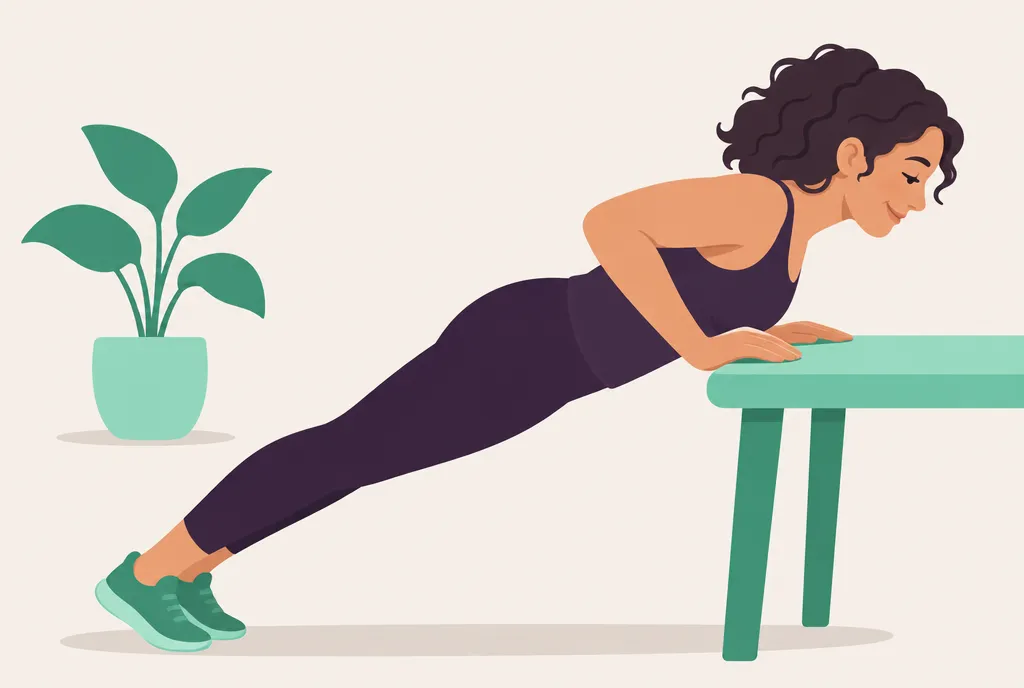
Incline push-up
Hands on a sturdy table or sofa edge. Lower your chest slowly.
 Video
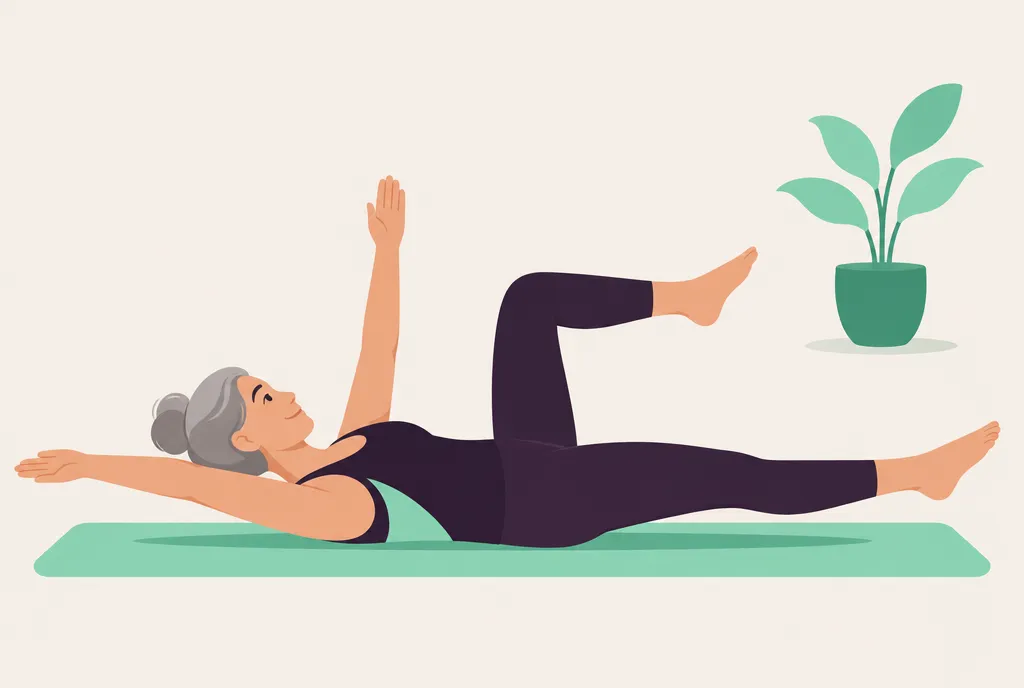
Dead bug
Lower back pressed down. Opposite arm and leg, slow.
 Video
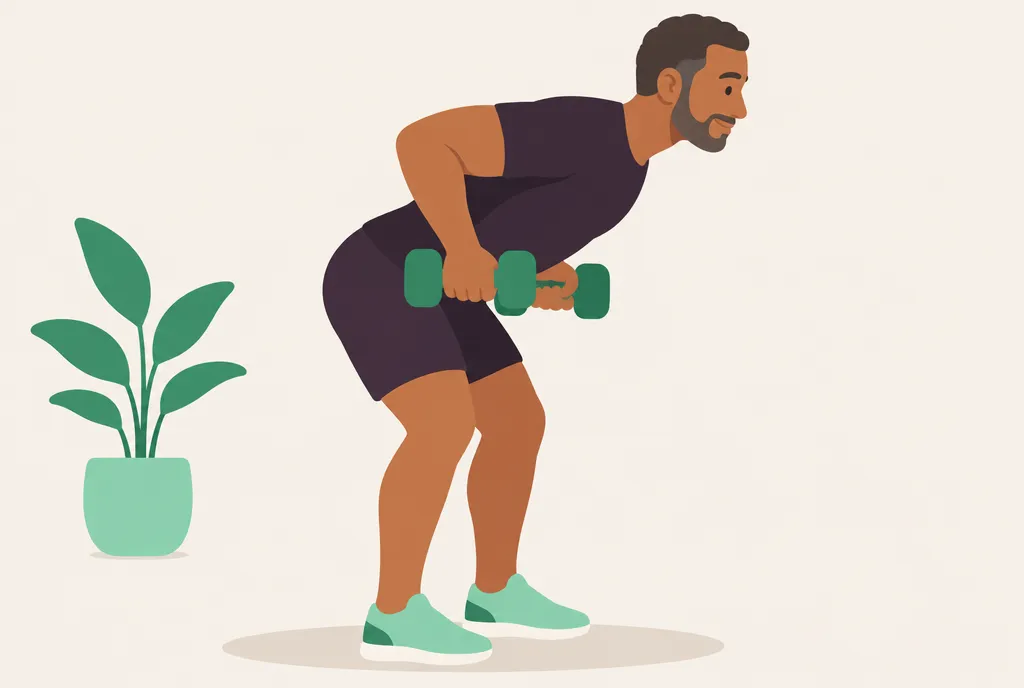
Bent-over dumbbell row
Flat back, pull elbows to your hips.
 Video
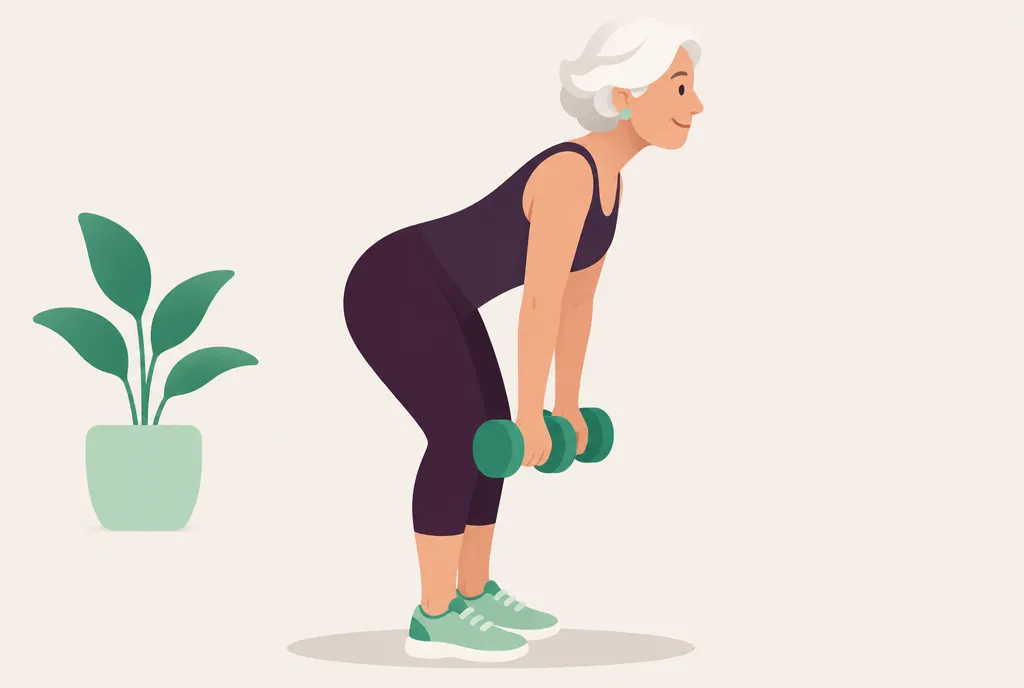
Dumbbell Romanian deadlift
Soft knees, push hips back, dumbbells close to your legs.